01Controlled
Chaos
Rationale
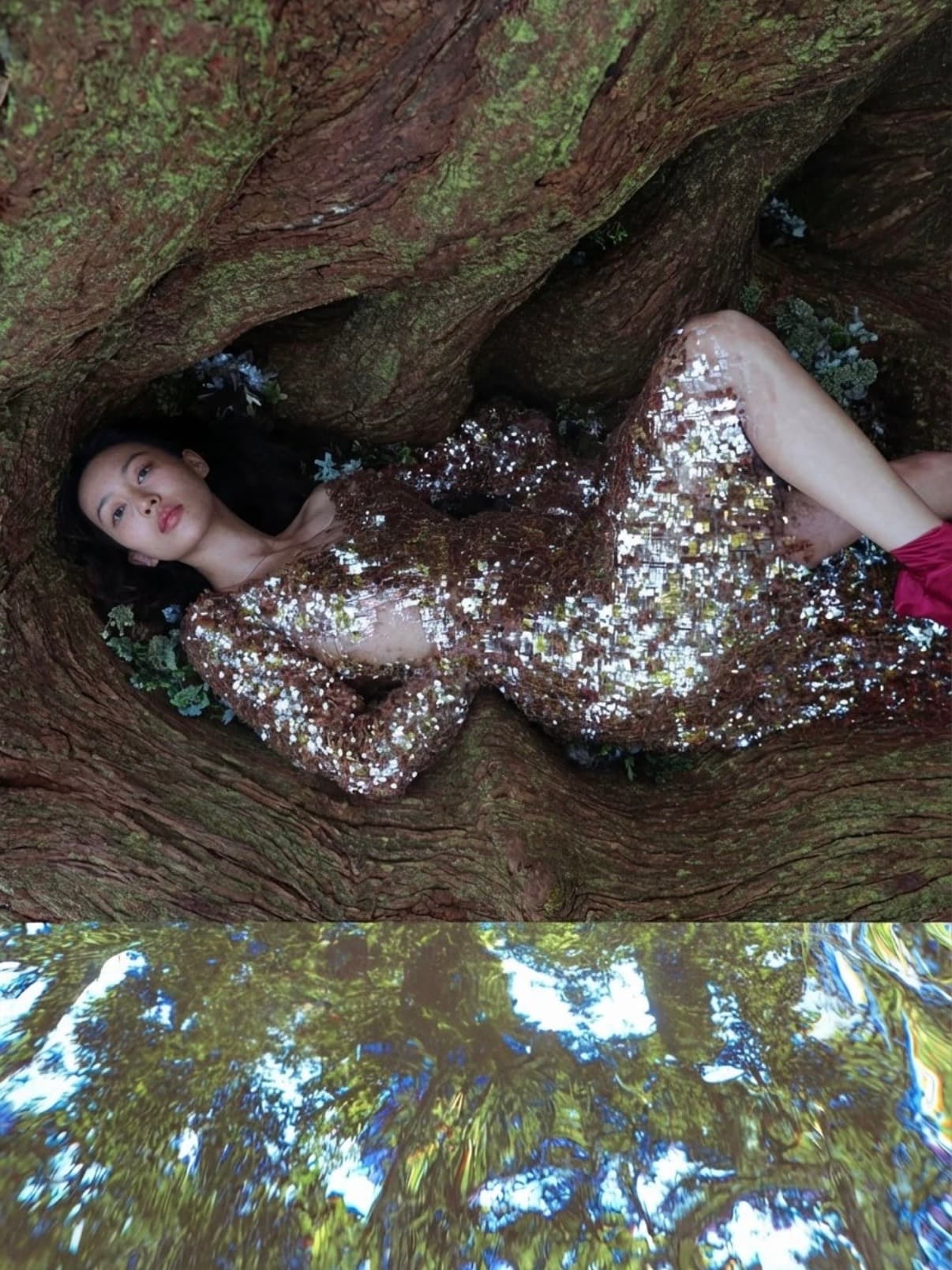
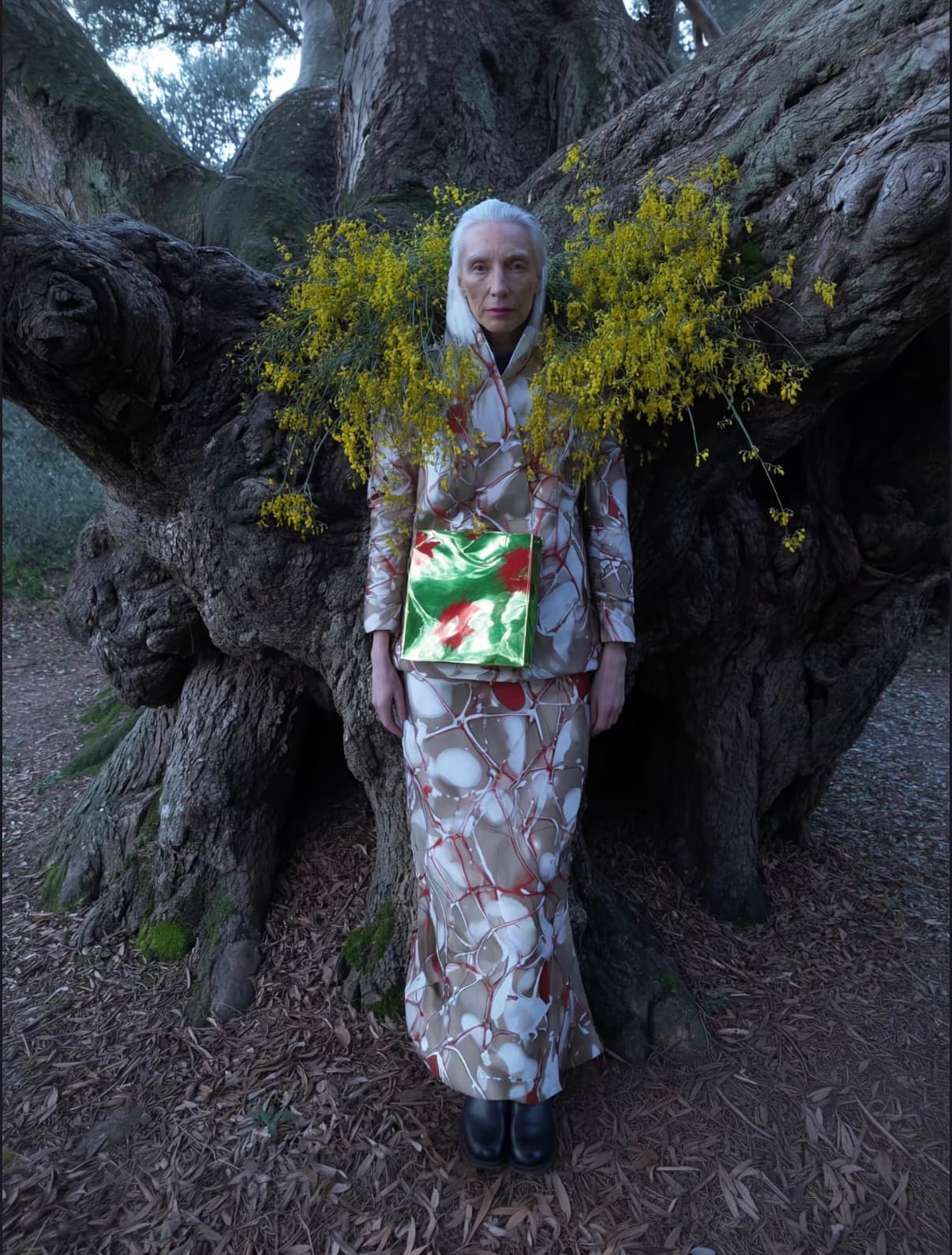
Controlled Chaos explores the return of maximalism as a response to an era defined by information overload and relentless sensory stimulation.
In a world saturated with algorithmically curated images, fragmented narratives, and constant digital noise, fashion shifts away from restraint toward intentional excess. This new maximalism is not disorder but curated intensity - where density, ornament, and layering become tools to reclaim authorship, individuality, and emotional expression.
Rather than escaping chaos, Controlled Chaos embraces it, transforming visual overload into a controlled aesthetic language that reflects contemporary perception.
In an era of information overload and algorithmic filter bubbles, Controlled Chaos reflects how excess, repetition, and fragmentation shape perception - where overwhelming input is carefully structured rather than random.
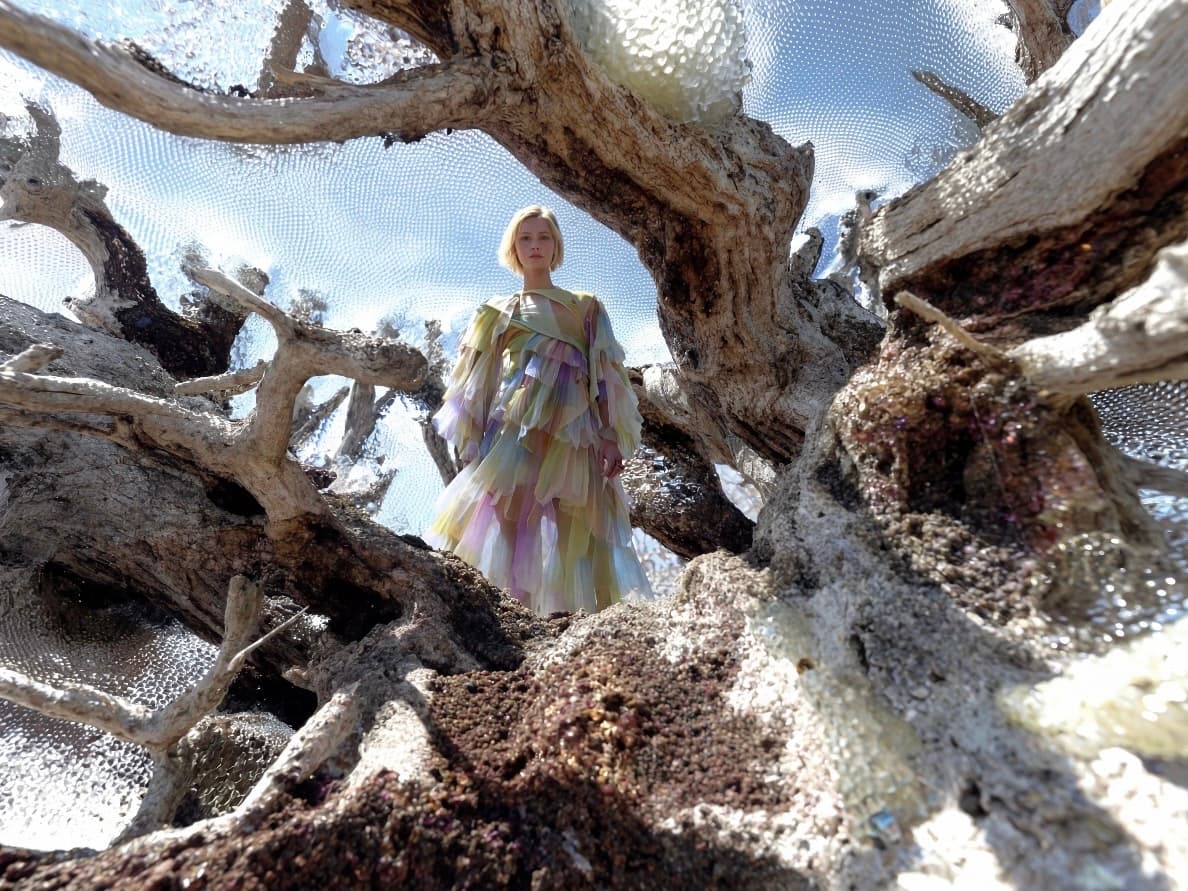
Fashion responds to information overload and echo chambers by embracing visual excess, fragmentation, and layered narratives - transforming chaos into a controlled aesthetic that mirrors how identity is constructed within saturated digital environments.
Algorithmic Gaze
Algorithmic Gaze is an aesthetic language derived from AI-driven visual recognition and surveillance systems, where perception is shaped by data, pattern detection, and machine-mediated vision.
Digital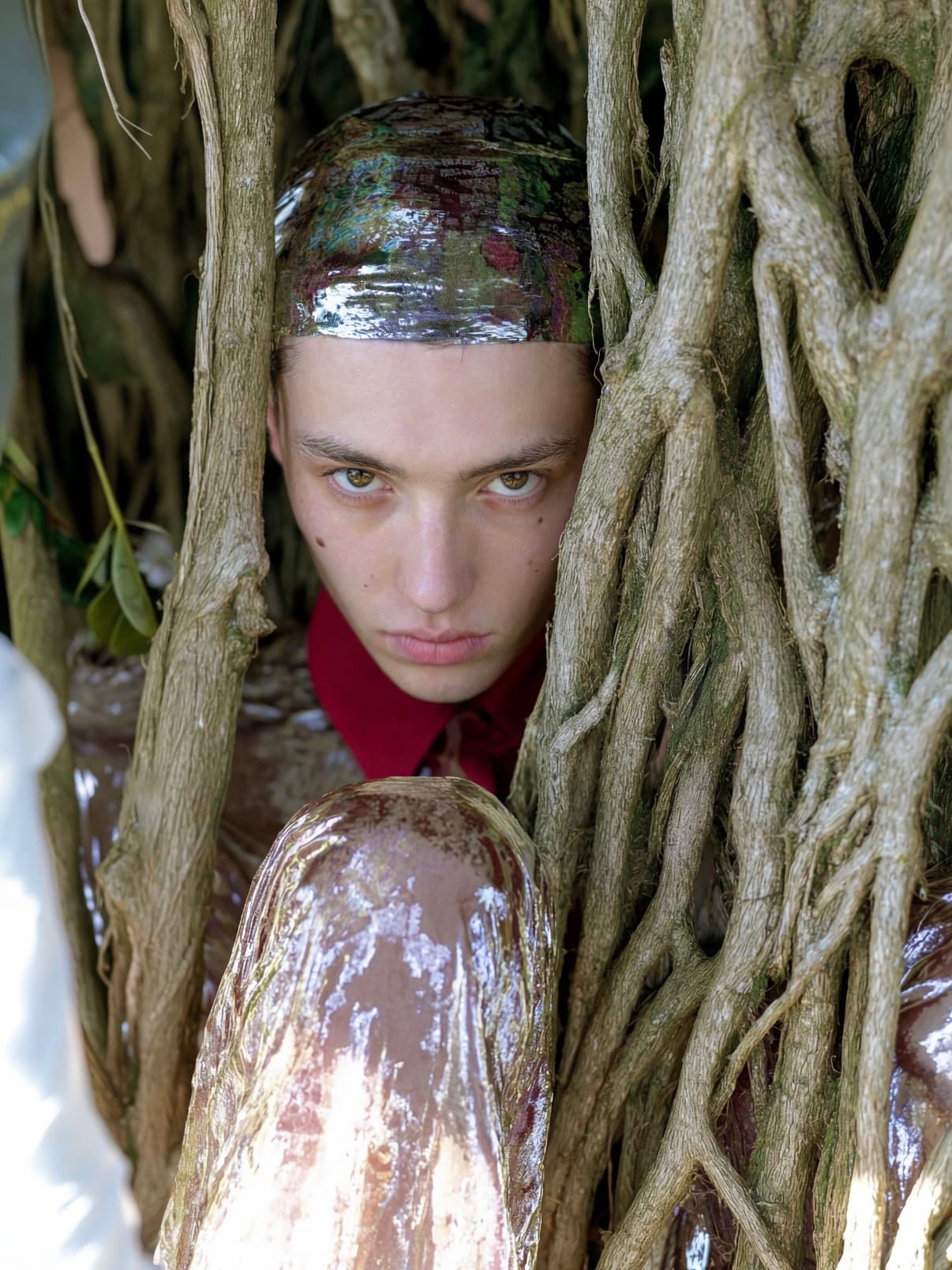
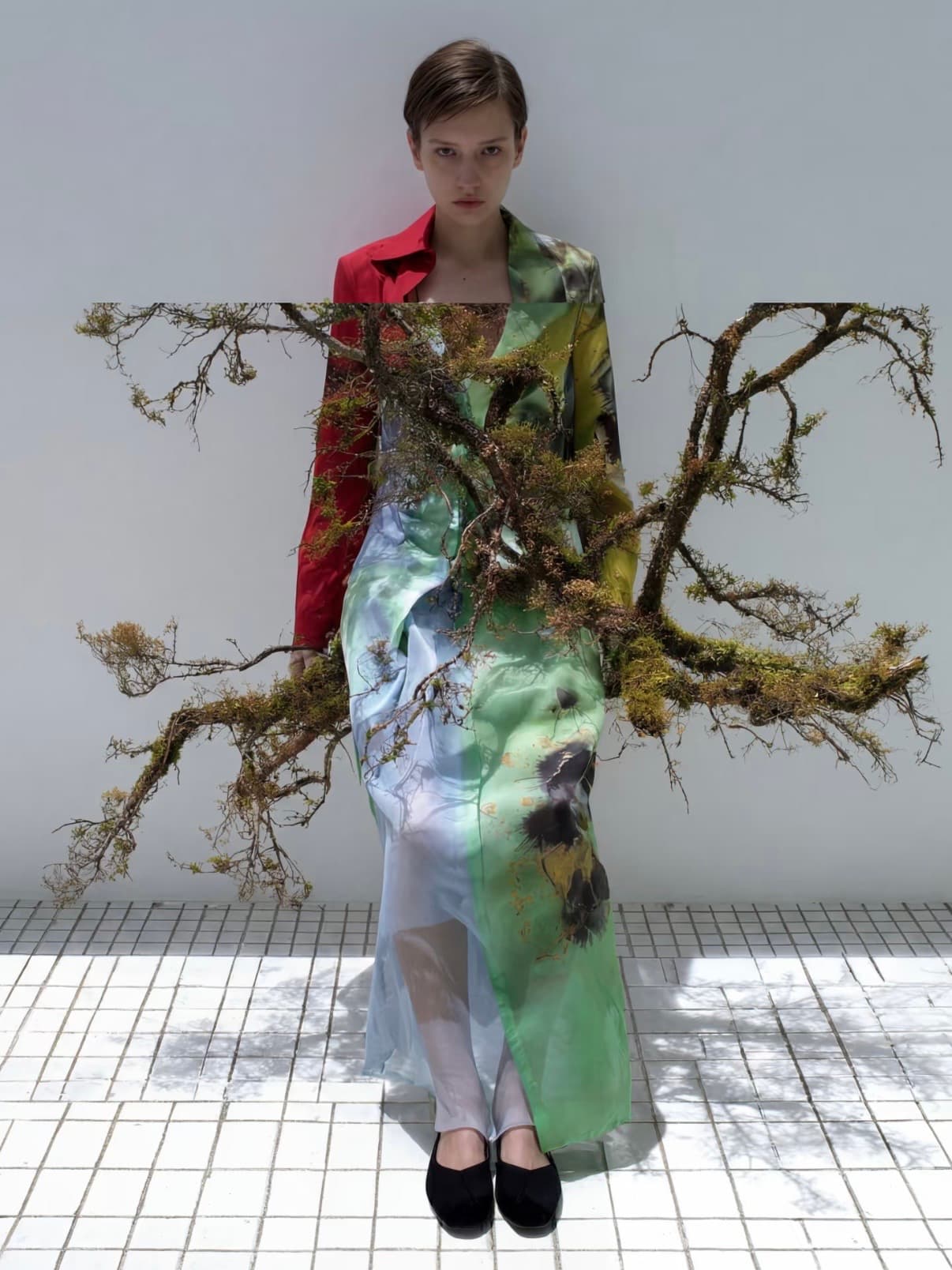
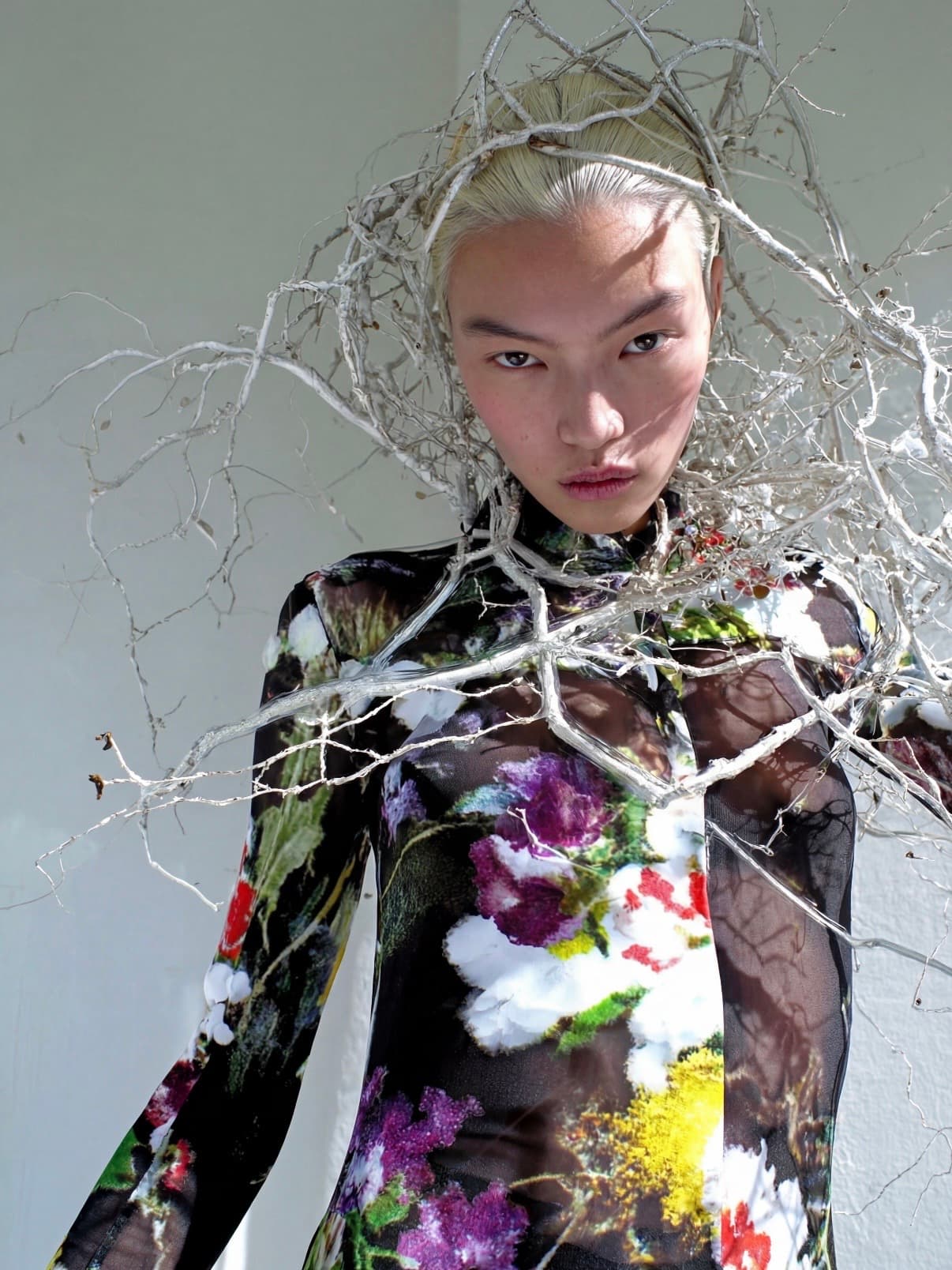
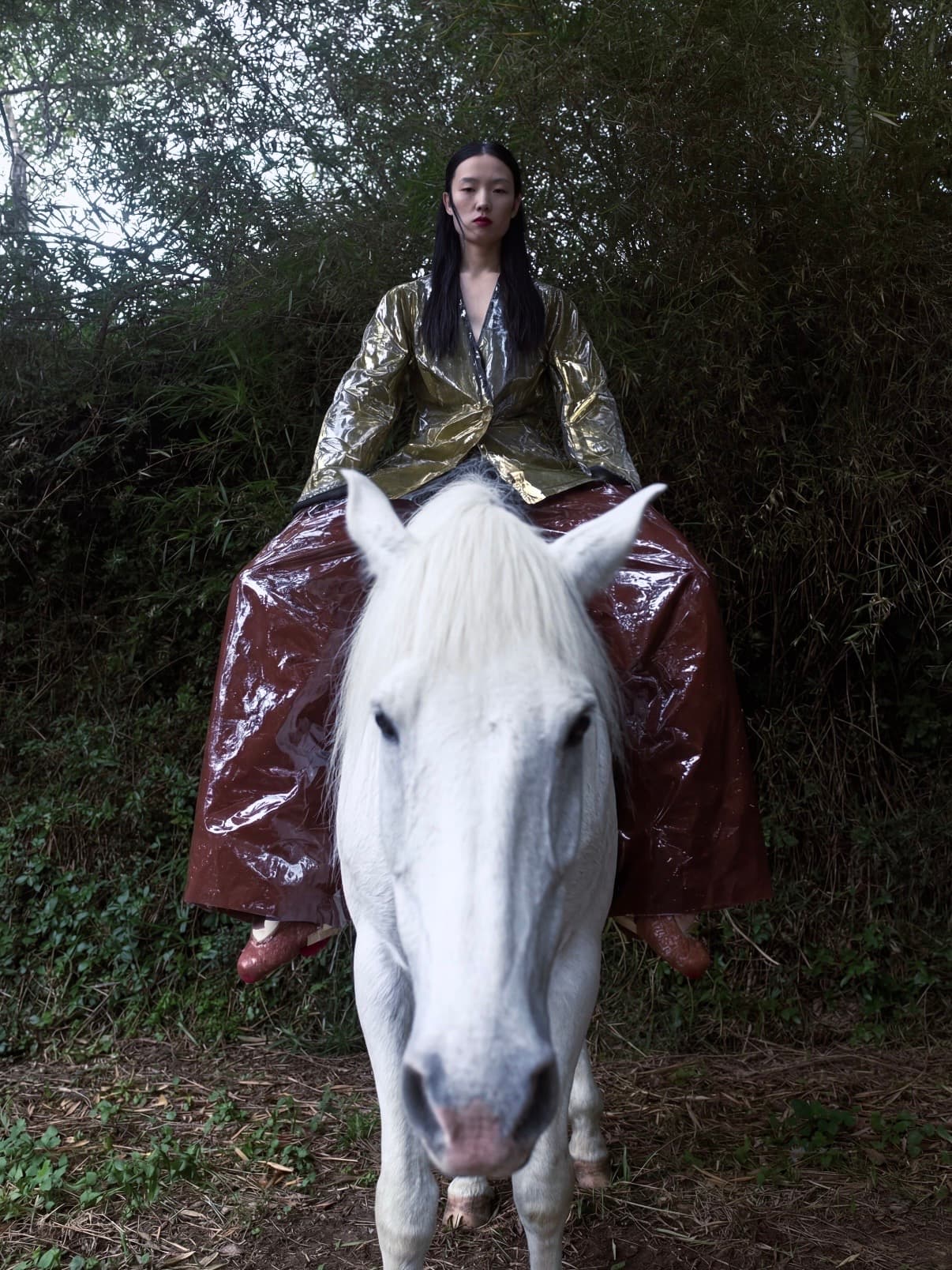
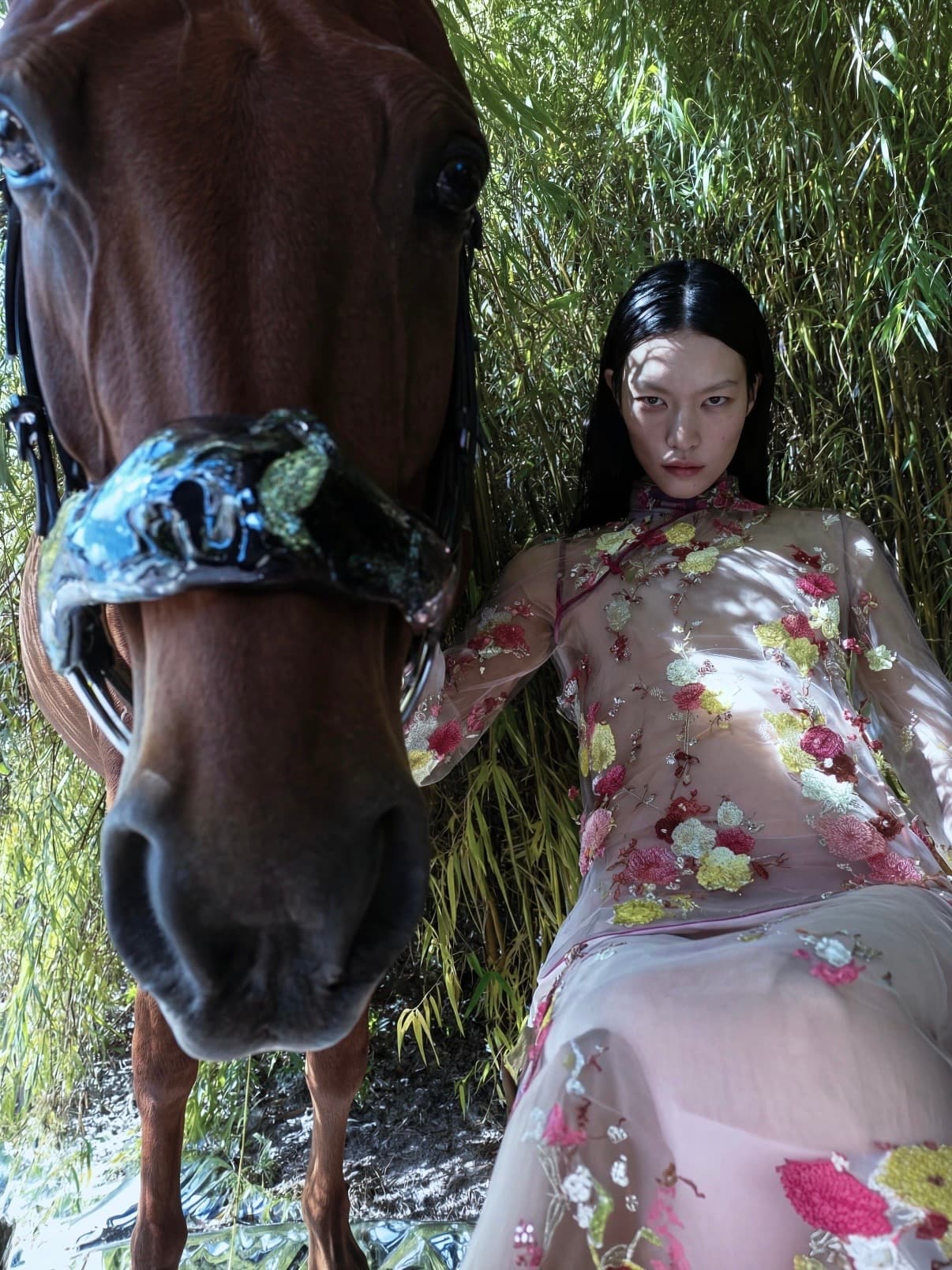
Contemporary visual culture is shaped by endless feeds, fragmented imagery, and accelerated consumption.
Controlled Chaos translates this condition into fashion through accumulation, layering, and sensory intensity.
Q:
Why introduce roots, branches, and organic materials into the imagery?
A:
Nature is often imagined as peaceful, but here it becomes overwhelming and invasive. The organic elements do not calm the image - they intensify it.
Controlled Chaos is not a collapse of order. It is a way of staging excess so that perception can move through it.